
How to Design a Timeless and Sophisticated Home: A Complete Guide
Every few years a look sweeps through magazines and social feeds, and a few years later it quietly dates the homes that embraced it. Yet some rooms still feel right decades after they were finished. They are calm without being plain, elegant without being precious, and they look better with age rather than worse.
That quality is not luck, and it is not simply budget. It is the result of a set of decisions, most of them made early, long before a cushion is chosen. This guide sets out those decisions in the order we make them at STUDIO BELLE, from the plan on paper to the final piece of art.
Key takeaways
- Timeless design lives in the bones of a home: plan, proportion, light and material.
- Spend on what is hard to change (stone, joinery, flooring, lighting) and keep trends to what is easy to change (textiles, flowers, objects).
- Natural materials develop patina; most synthetic finishes only wear.
- Sophistication comes from restraint and resolved detail, not from more things.
- Personality belongs in the art, the collected pieces and one or two confident moments.
What makes a home timeless?
A timeless home is one whose design does not rely on a particular moment to make sense. Its layout suits the way people actually live, its rooms are well proportioned, it is shaped around natural light, and it is finished in honest materials that improve with use. Because nothing in it is chasing a trend, nothing in it needs to be undone when that trend passes.
Sophistication is the companion quality. A sophisticated home feels edited and resolved: every element has a reason to be there, the details are consistent from room to room, and there is a sense of ease rather than effort. Put the two together and you have a home that feels as considered in twenty years as it does on the day you move in.
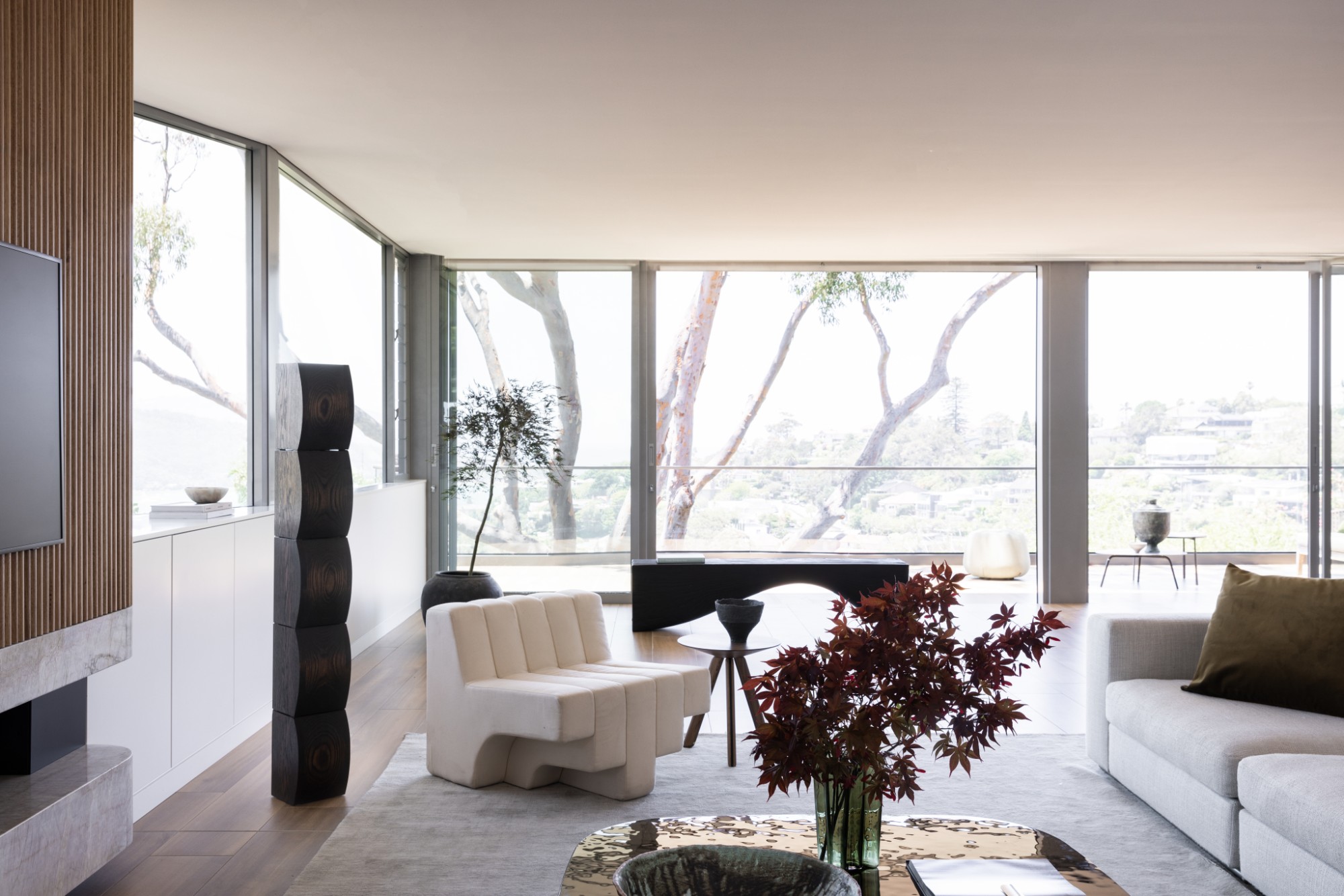
Timeless does not mean traditional. A contemporary home with clean lines, generous glazing and a palette of stone and timber can be every bit as enduring as a Federation house with panelled walls. The common thread is not style, it is restraint, quality and good judgement.
Timeless versus trend-led: how to tell the difference
Before committing to any finish, ask a simple question: would this still make sense if I had never seen it on social media? Trends are not the enemy, they are simply better suited to the layers of a home you can change in an afternoon.
| Element | Tends to endure | Tends to date |
|---|---|---|
| Colour | Warm whites, stone, taupe, charcoal, deep inky tones | A single “colour of the year” applied to fixed surfaces |
| Surfaces | Natural stone, solid timber, lime finishes, handmade tile | Printed-look surfaces and high-gloss everything |
| Metals | Living finishes such as unlacquered brass, bronze, nickel | One fashionable finish used on every fitting in the house |
| Joinery | Simple profiles, considered proportions, quality hardware | Novelty shapes repeated throughout |
| Furniture | Classic forms, a mix of eras, good construction | A full room bought from one catalogue in one season |
| Styling | Collected objects, books, art with meaning | Mass-produced decor bought to fill shelves |
A helpful rule: the harder and more expensive something is to change, the more timeless it should be. Stone benchtops, flooring, tiling, built-in joinery and the layout itself deserve the most restraint. Cushions, throws, flowers and small objects are where you can play.
Start with the plan and the proportions
The single most enduring decision in any home is the plan. A beautiful sofa cannot fix a living room that is too narrow, and no tile will rescue a kitchen that sits in the darkest corner of the house. Before thinking about finishes, think about:
- How you live. Where you cook, gather, work, rest and entertain, and how that will change as a family grows.
- Flow. Clear, generous circulation, with sightlines that end in something worth looking at: a window, a garden, a piece of art.
- Light. Living spaces positioned to catch the best natural light; bedrooms and media rooms where softer light suits them.
- Proportion. Ceiling heights, door and window sizes and room widths that feel balanced. Tall doors, deep window reveals and generous openings read as quality before anything else is noticed.
- Storage. Built-in storage planned from the beginning, so a home stays calm and uncluttered in daily life.
This is why we always encourage clients to bring a designer in early. A change on a drawing costs a line; a change on site costs time and money. Read more in our Design Files on when to engage an interior designer.
Build a restrained, layered colour palette
The most enduring palettes are not necessarily neutral, but they are restrained. They are built from a small family of related tones, layered so that the house reads as one composed whole.
Choose a base, then layer
Start with a base tone for walls and ceilings, usually a warm white, cream or soft stone. Layer in deeper tones through timber, stone, upholstery and joinery, and introduce your accent colour through art, textiles and one or two considered moments, such as a painted study or a richly coloured powder room.
Undertone matters more than colour
Two whites can look identical on a swatch and completely different on a wall. Warm undertones tend to feel more welcoming and sit more comfortably with natural materials. Always test large samples in the room itself, morning and evening, before committing.
Let materials carry colour
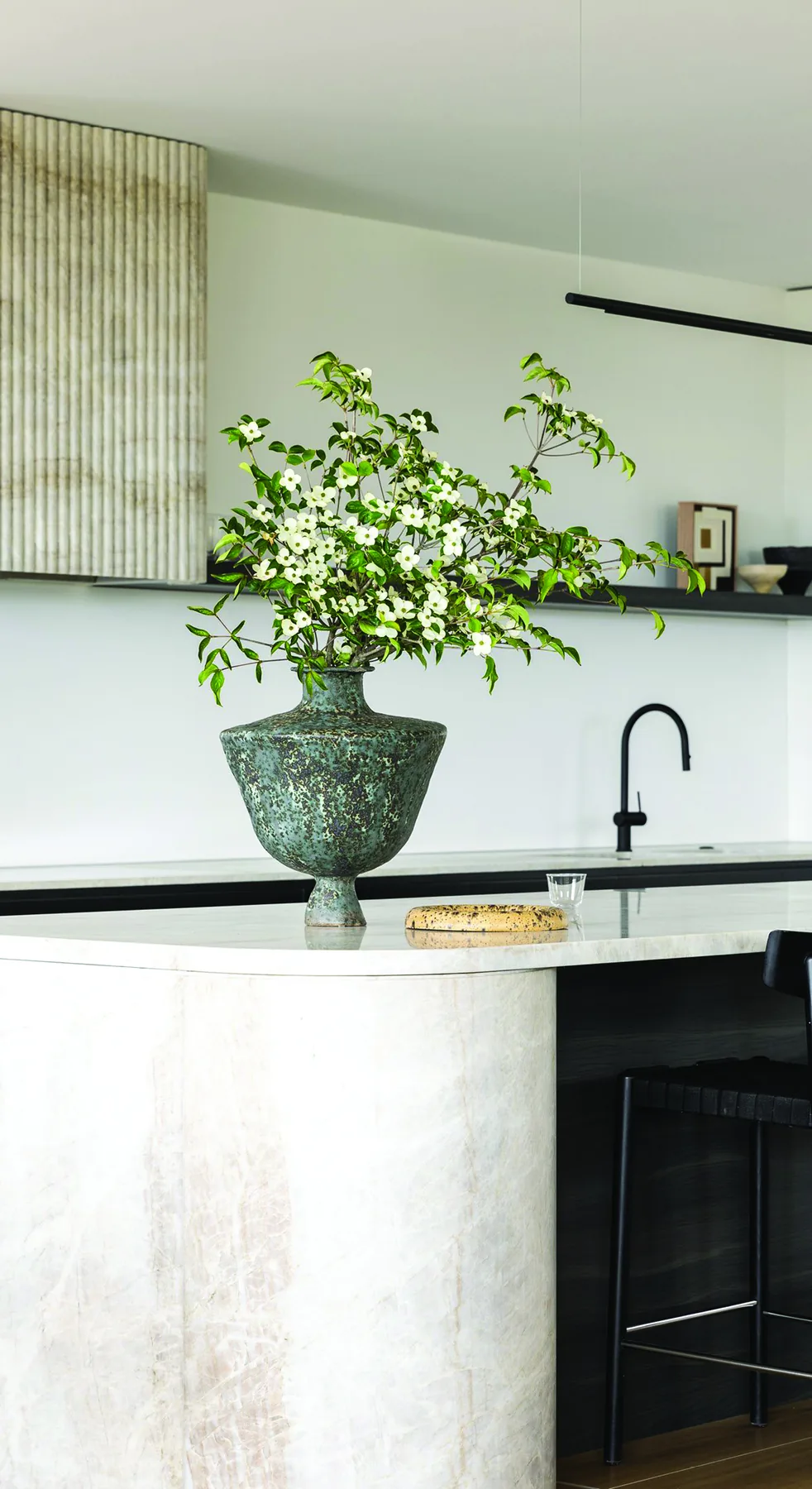
Some of the most sophisticated homes have very little paint colour at all. The interest comes from the veining in marble, the grain in oak, the weave of a linen and the patina on brass. Colour that comes from material rarely dates, because it is not a fashion choice, it is simply what the material is.
Choose materials that age well
If there is one principle that separates a timeless interior from a merely fashionable one, it is this: natural materials develop patina, and most synthetic finishes simply wear. A marble benchtop with a few etch marks looks lived in; a scratched laminate looks tired.
| Material | How it ages | Where it works |
|---|---|---|
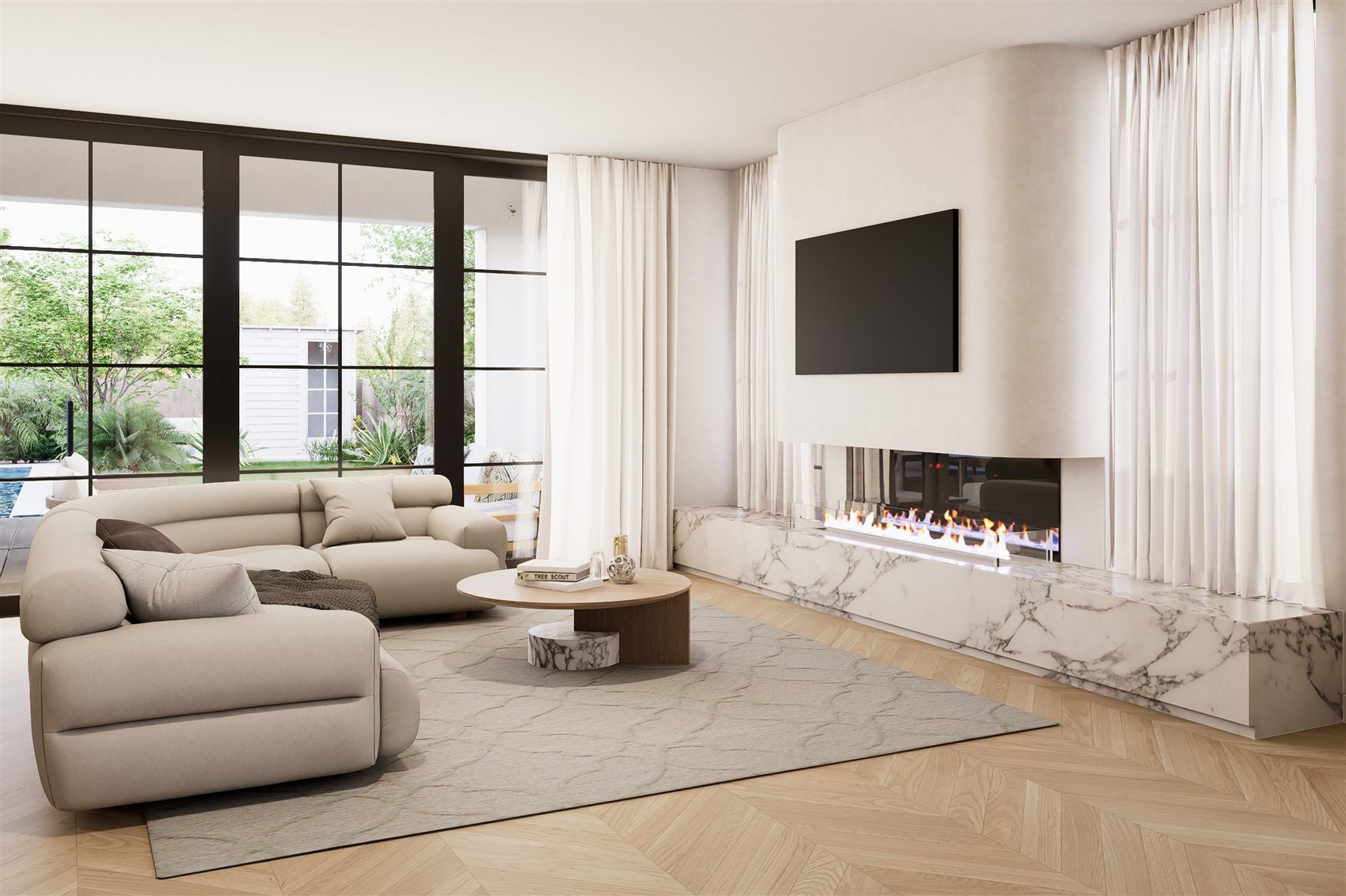
| Marble and natural stone | Softens and develops a gentle patina | Benchtops, vanities, fireplaces, floors |
| Timber | Warms and deepens in tone; can be refinished | Floors, joinery, furniture, feature walls |
| Unlacquered brass and bronze | Darkens to a soft, living finish | Tapware, hardware, lighting |
| Limewash and lime plaster | Gains depth and movement | Walls, ceilings, rangehoods |
| Linen, wool and leather | Softens and relaxes with use | Upholstery, curtains, rugs |
| Handmade and terracotta tile | Variation reads as character | Wet areas, splashbacks, outdoor floors |
Keep the material palette tight. Three or four principal materials, used consistently through the home, will always feel more sophisticated than a different finish in every room. Repetition is what makes a house feel designed rather than assembled.
Resolve the details
Sophistication lives in the details most people notice only when they are wrong. A resolved home has:
- Consistent profiles for skirtings, architraves and cornices, scaled to the ceiling height.
- Custom joinery that is built in rather than added on, with clean lines and quality hardware that feels good in the hand.
- Aligned elements. Switches, tiles, shadow lines and joinery edges set out so they line up with one another.
- Considered junctions where floor finishes change, where stone meets timber and where walls meet ceilings.
- Hidden necessities. Integrated appliances, concealed rangehoods and services planned so they do not interrupt the architecture.
None of these details are fashionable, which is exactly why they last. They are also almost impossible to retrofit, which is why they need to be drawn and documented before construction begins.
Layer your lighting
Lighting is the most underestimated tool in a sophisticated home. A room lit by a single grid of downlights will feel flat however beautiful its finishes. Instead, design three layers:
- Ambient light for general illumination, kept soft and even, ideally on dimmers.
- Task light where work happens: over benchtops, at desks, beside beds and at the bathroom mirror.
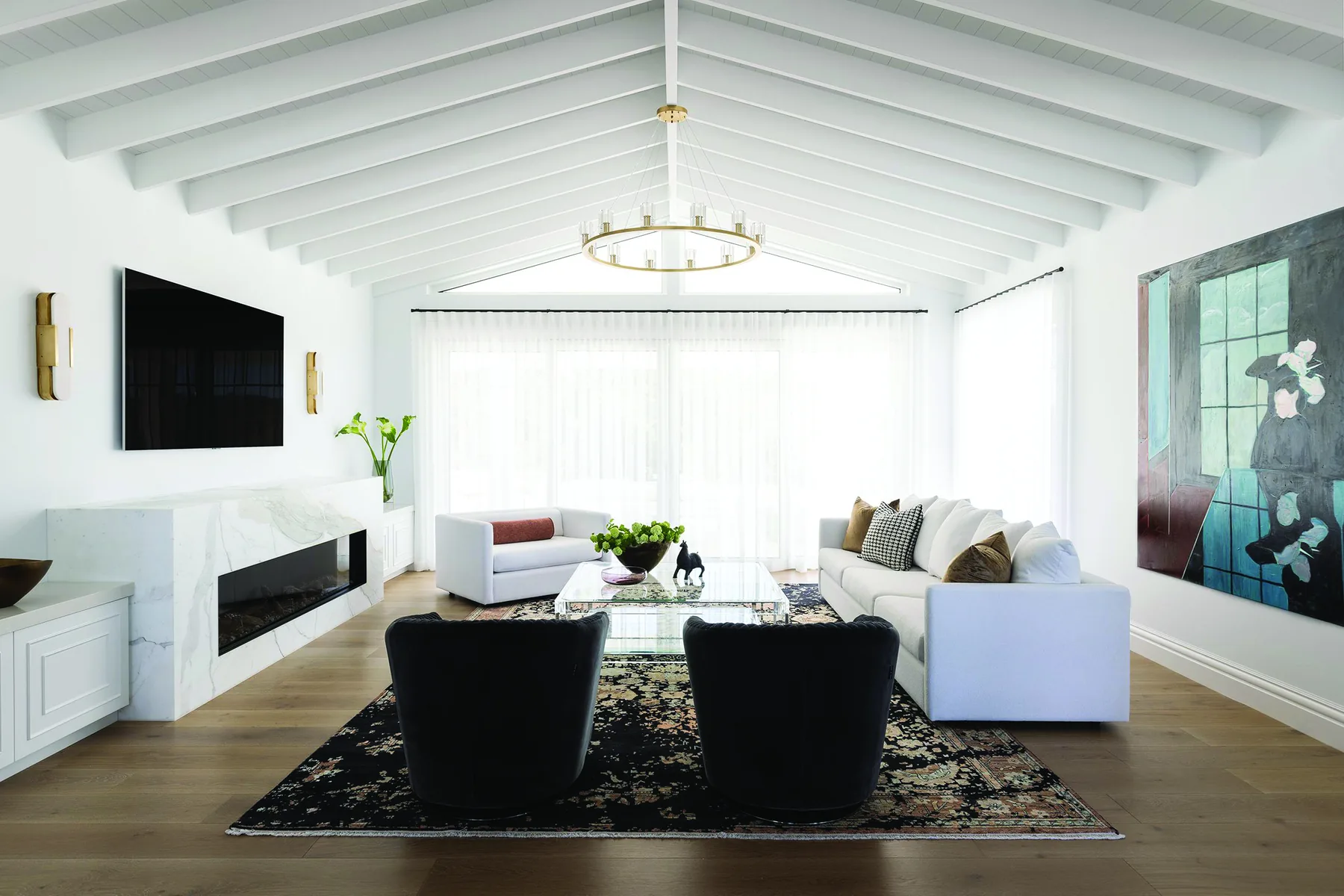
- Accent and decorative light to bring a room to life: wall lights, picture lights, joinery lighting, lamps and a statement pendant or chandelier.
Choose a warm colour temperature for living spaces, typically around 2700K to 3000K, and keep it consistent through the house. Plan lamp positions with floor and table power points from the start. In the evening, it is the lamps and wall lights, not the ceiling, that make a home feel intimate.
Buy fewer, better pieces
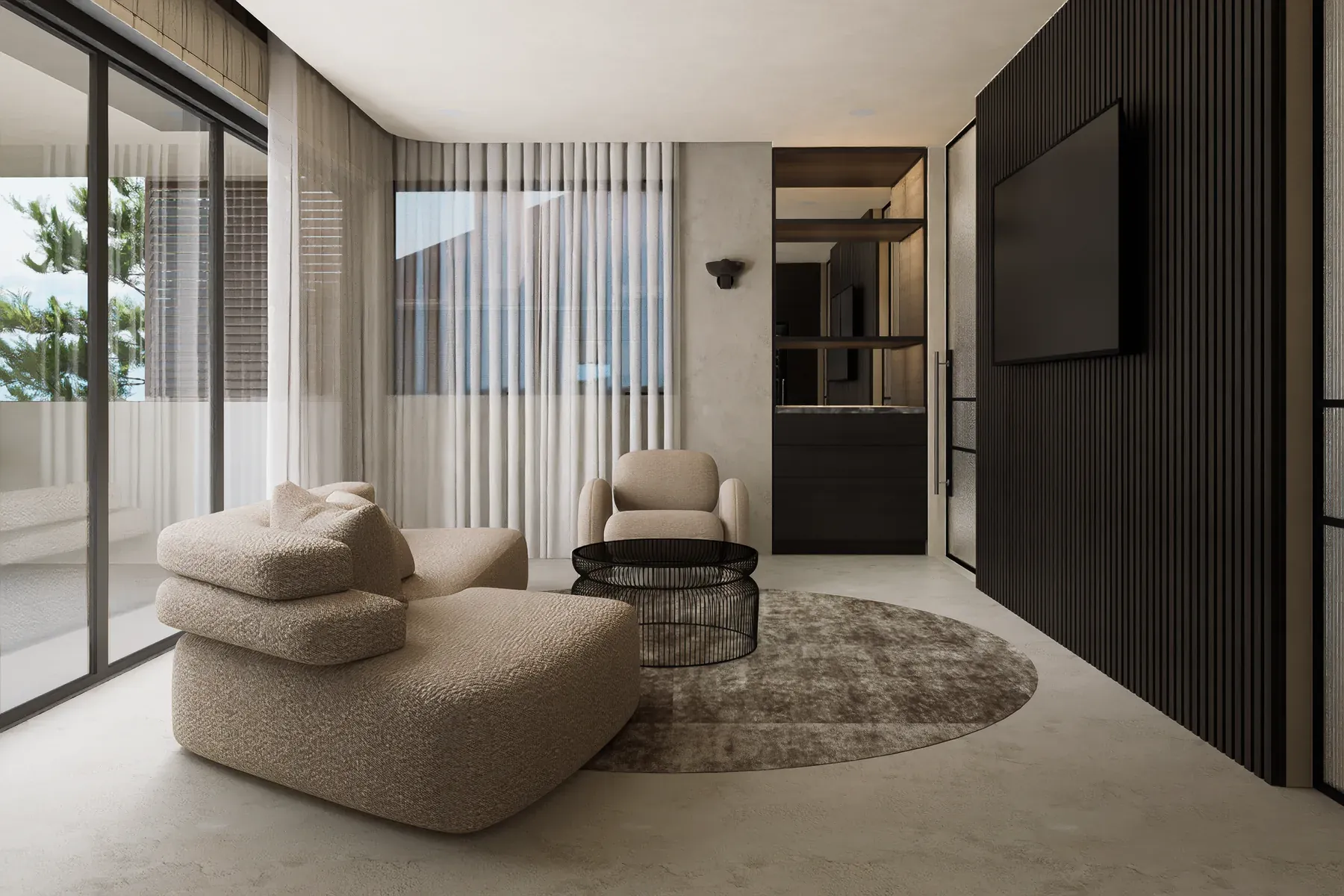
The most sophisticated rooms are rarely the fullest. Give each piece room to breathe, and spend where it counts: the sofa you sit on every evening, the dining table that will host decades of meals, the bed and the chairs you use daily.
- Favour classic forms. Rolled arms, simple tapered legs, generous curves and clean modern lines have all endured for good reason.
- Mix eras. A room furnished entirely from one season always dates to that season. A vintage piece beside something contemporary gives a home depth and a sense of having been collected over time.
- Check construction. Solid frames, quality joinery and natural upholstery fabrics will outlast cheaper alternatives many times over.
- Scale to the room. Furniture that is too small for a space looks more dated than almost anything else. Measure, and plan the layout before buying.
Finish with art and collected objects
A timeless home is not an anonymous one. Once the enduring base is in place, art and personal objects are what make it unmistakably yours, and because they are not built in, they can evolve as your taste does.
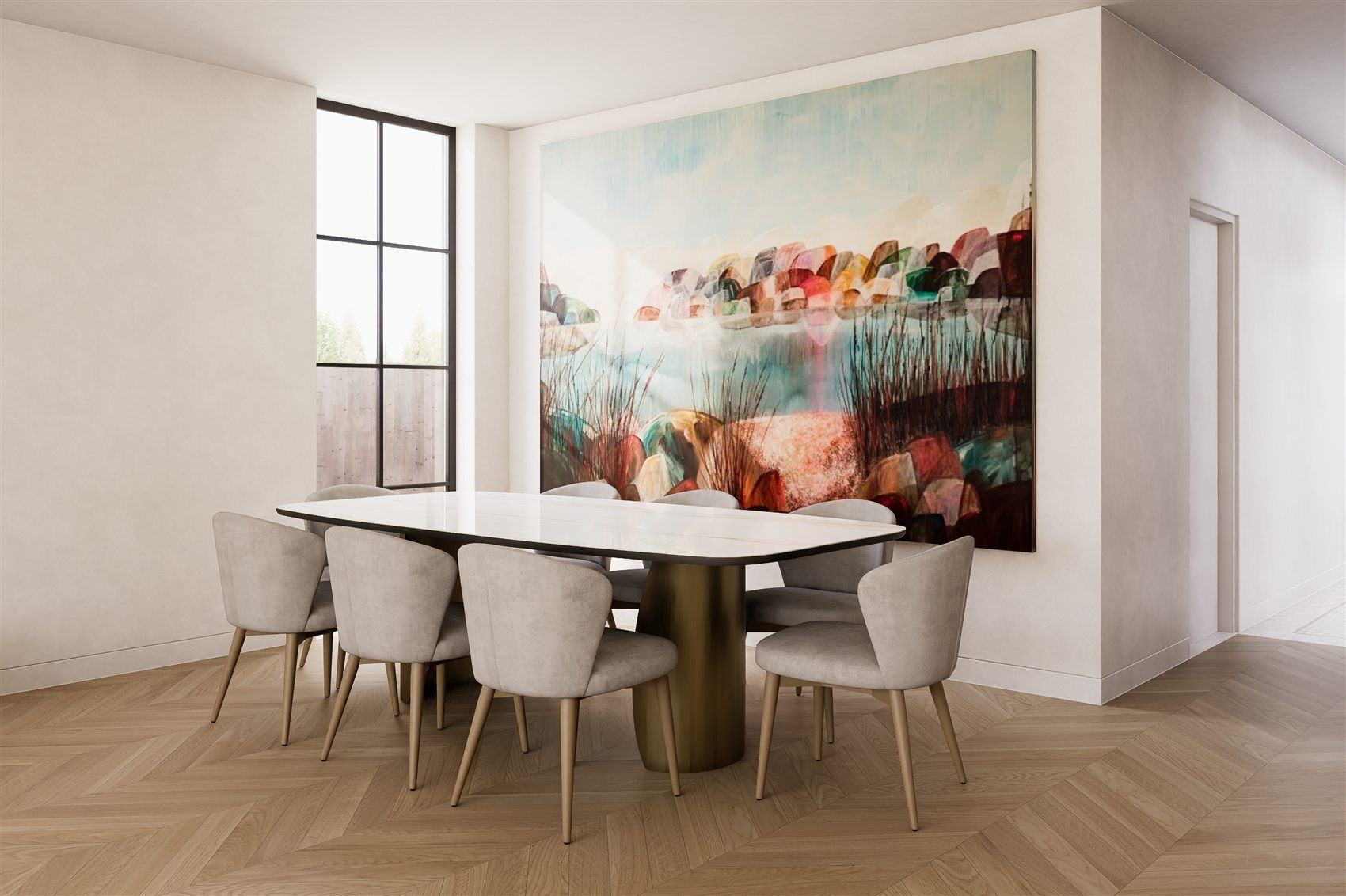
Buy art you love rather than art that matches the sofa. Hang it at a comfortable eye level, give significant pieces their own wall, and consider picture lights for works you want to be seen at night. Style shelves with books, ceramics and objects with a story, and leave space between them. Edited styling reads as confidence; crowded styling reads as clutter.
If you need guidance here, our furniture, art and styling service sources pieces that suit both the architecture and the people who live in it.
Kitchens and bathrooms: where timeless matters most
Kitchens and bathrooms are the most expensive rooms in a home to build and the most disruptive to change, so they deserve the greatest restraint.
Kitchens
- Let one material be the hero, often a natural stone for the island or splashback, and keep everything around it quieter.
- Use simple door profiles in timber or a painted finish, with integrated appliances where possible.
- Plan generous bench space, a working pantry or scullery if space allows, and storage for everything that would otherwise sit on the bench.
Bathrooms
- Choose stone or handmade tile in a limited palette, and use it generously rather than as a feature strip.
- Wall-hung or floating vanities, recessed storage and well-placed mirror lighting make even a modest bathroom feel calm.
- Select tapware in a living or classic finish from a range you can maintain and source parts for in years to come.
Designing for Sydney light and living
A timeless home also belongs to its place. In Sydney, that means designing for strong, clear light, warm summers, indoor and outdoor living and, in many suburbs, views of harbour, bush or garden.
- Work with the light. Sydney’s bright light can make cool whites feel stark. Warmer, softer tones and textured finishes tend to sit more comfortably.
- Blur inside and out. Carry a material, such as a stone floor or timber, from living areas to terraces so the two read as one.
- Choose for climate. Linen, wool, natural stone and timber suit our climate and our coastal conditions.
- Respect the architecture. Whether a Federation home on the North Shore or a contemporary build in the Eastern Suburbs, the most enduring interiors work with the house rather than against it.
See how we apply these principles across the North Shore and the Eastern Suburbs.
Common mistakes that date a home
- Building trends into fixed surfaces. The look of the moment applied to tiles, stone or joinery.
- Too many materials. A different finish in every room, so the house never reads as a whole.
- Choosing finishes before the plan. Selecting tiles and tapware before the layout is resolved.
- Lighting as an afterthought. A grid of downlights and nothing else.
- Buying everything at once. Furnishing a whole home from one source in one season.
- Undersized furniture and rugs. Pieces that float in a room rather than anchoring it.
- Cutting quality where it is touched daily. Hardware, tapware and benchtops are felt every day; economy there is noticed every day.
A step-by-step process for designing a timeless home
- Define how you want to live. Write down how you use each space now and how that may change over the next ten to twenty years.
- Set a realistic budget and decide where it matters most, prioritising what is hard to change. Our investment guide explains how we plan and protect a budget.
- Assemble the team early, bringing in your interior designer alongside the architect or building designer.
- Resolve the plan and proportions before any finishes are chosen.
- Choose a tight material palette of three or four principal materials and test samples together, in the light of the actual site.
- Document the details so builders can quote accurately and build exactly what was designed.
- Plan lighting and power in layers, including lamps, joinery lighting and art lighting.
- Furnish slowly and well, starting with the pieces you use most.
- Finish with art and objects that tell your story, and let the collection grow over time.
How STUDIO BELLE approaches timeless design
At STUDIO BELLE, we favour the timeless over the trend-led. We start with your story, resolve the design on paper before the build, choose materials and details that age well, and stay involved through construction so that what is designed with care is delivered with precision. From renovations and new homes to full luxury residential interior design, our aim is the same: homes that feel as right in twenty years as they do on the day you move in.
Explore our work to see these principles in finished homes across Sydney.
Share this article