How to Choose the Right Interior Designer for Your Home
Choose the Partner, Not Just the Portfolio
Key takeaways
- Know your scope, budget and timing before you start meeting designers.
- Look for completed homes similar to yours, not just beautiful images.
- A clear process, scope and fee protect you as much as they protect the designer.
- Documentation and builder relationships decide how well a design survives construction.
- Personal fit matters. You’ll be making hundreds of decisions together.
Why the choice matters
Choosing an interior designer isn’t like choosing a sofa. You’re choosing someone to guide one of the biggest investments you’ll make, often over many months, through hundreds of decisions.
The right designer shapes more than how your home looks. They shape how it’s planned, how smoothly it’s built, where your investment goes and how it feels to live in for years to come. The wrong fit can mean drawings a builder can’t price, decisions made too late and a finished home that doesn’t quite feel like yours.
And you feel the difference every day. A home that’s been properly thought through simply works around you. The morning light falls where you hoped it would, everything has its place, and rooms feel calm to come home to. It’s a quiet kind of ease, and it lasts long after the build is finished.
The good news is that a little preparation, and the right questions, make the choice much clearer.
Before you start: know what you need
Before you compare designers, get clear on your own project. It makes every conversation more useful, and it helps you spot who’s genuinely suited to the work.
- Your scope. Is it a new build, a renovation, a single room or furnishing and styling a finished home?
- Your budget range. A realistic range, even a broad one, helps a designer tell you what’s achievable.
- Your timing. When do you hope to start, and is there a date you need to be in by?
- What you have so far. Plans, approvals, a builder, or simply a collection of images you love.
- How you live. Who lives in the home, how you entertain, and what isn’t working now.
It also helps to know which kind of help you need. The titles are often used loosely, so ask each studio what they actually do.
| Role | Typically helps with |
|---|---|
| Interior designer | Layout, joinery, lighting, materials and the detailed drawings a builder needs, for renovations and new builds |
| Interior decorator | Colour, furniture, soft furnishings and accessories within an existing space |
| Stylist | Furniture, art and styling to finish a home or prepare it for photography or sale |
For more on the difference, and on what you’re paying for, see our guide to how much an interior designer costs in Australia.
10 things to look for in an interior designer
1. Finished work you can actually see
Completed, photographed homes tell you far more than mood boards or renders. They show how a designer’s ideas survive real budgets, real builders and real life. Look at the details as well as the overall look: how the joinery meets the ceiling, how the lighting is layered, how rooms connect.
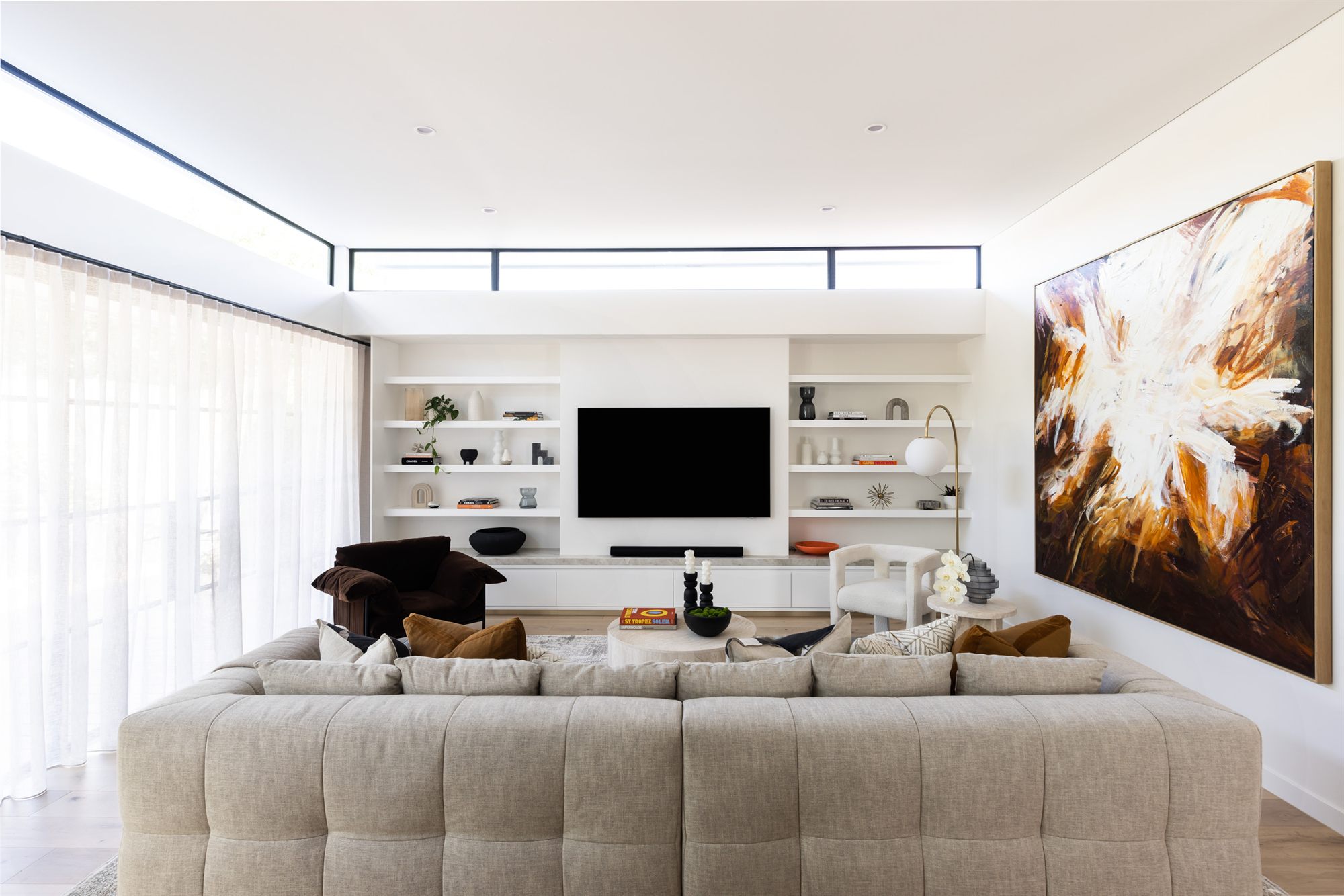
Ask this: can you show me a completed project similar to mine, and walk me through how it came together?
2. Experience with projects like yours
A designer who has done your kind of project before will see problems coming. A full renovation, a new build and a furnishing project each call for different skills. Look for experience at a similar scale and complexity, and with homes like yours, whether that’s a heritage terrace or a steep harbourside block.
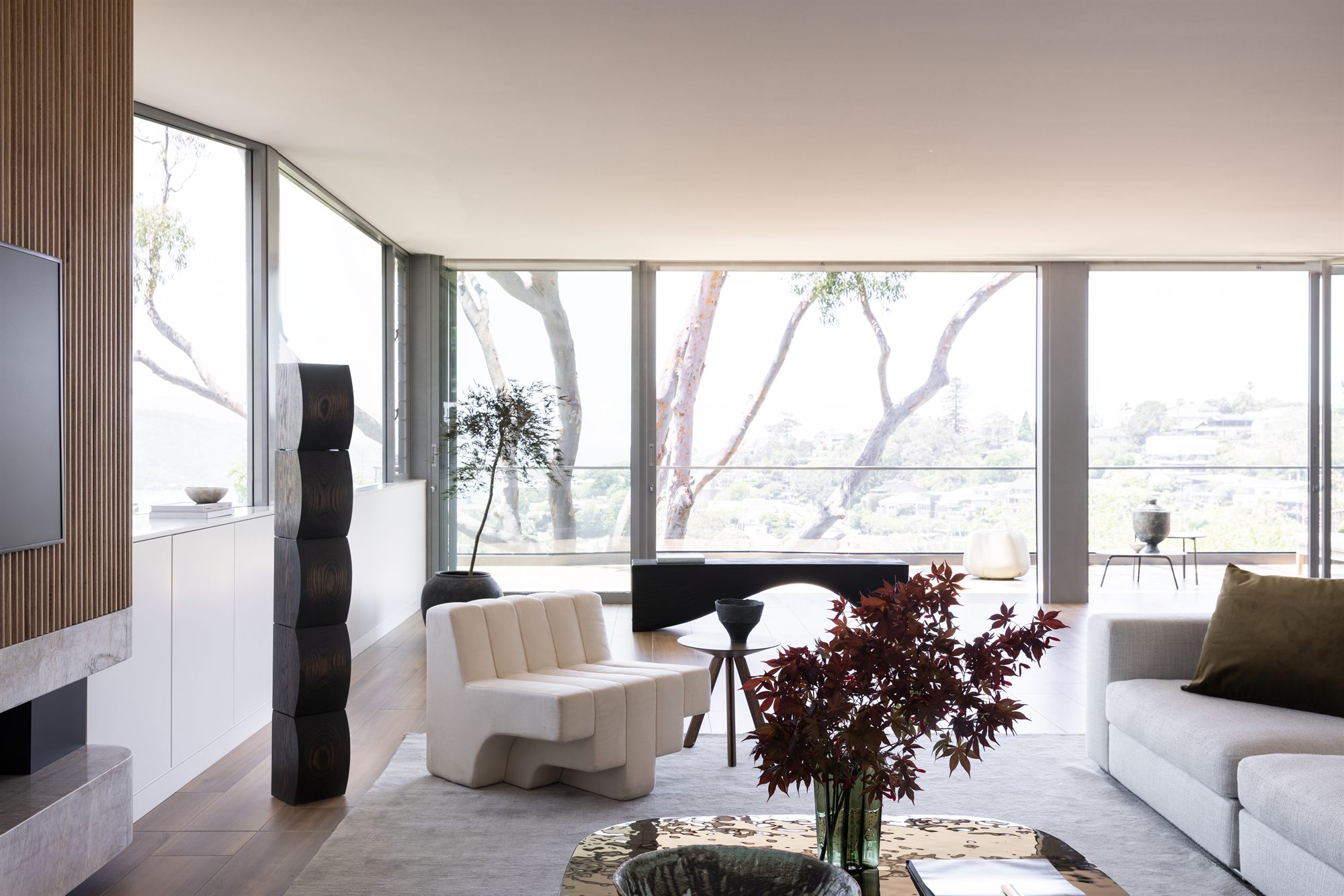
Ask this: what’s the most similar project you’ve completed, and what did you learn from it?
3. A clear, staged process
A good designer can explain exactly how they’ll take you from first idea to finished home. Look for defined stages, such as concept design, design development and documentation, construction support, and furniture and styling, with clear points where you review and approve before moving on.
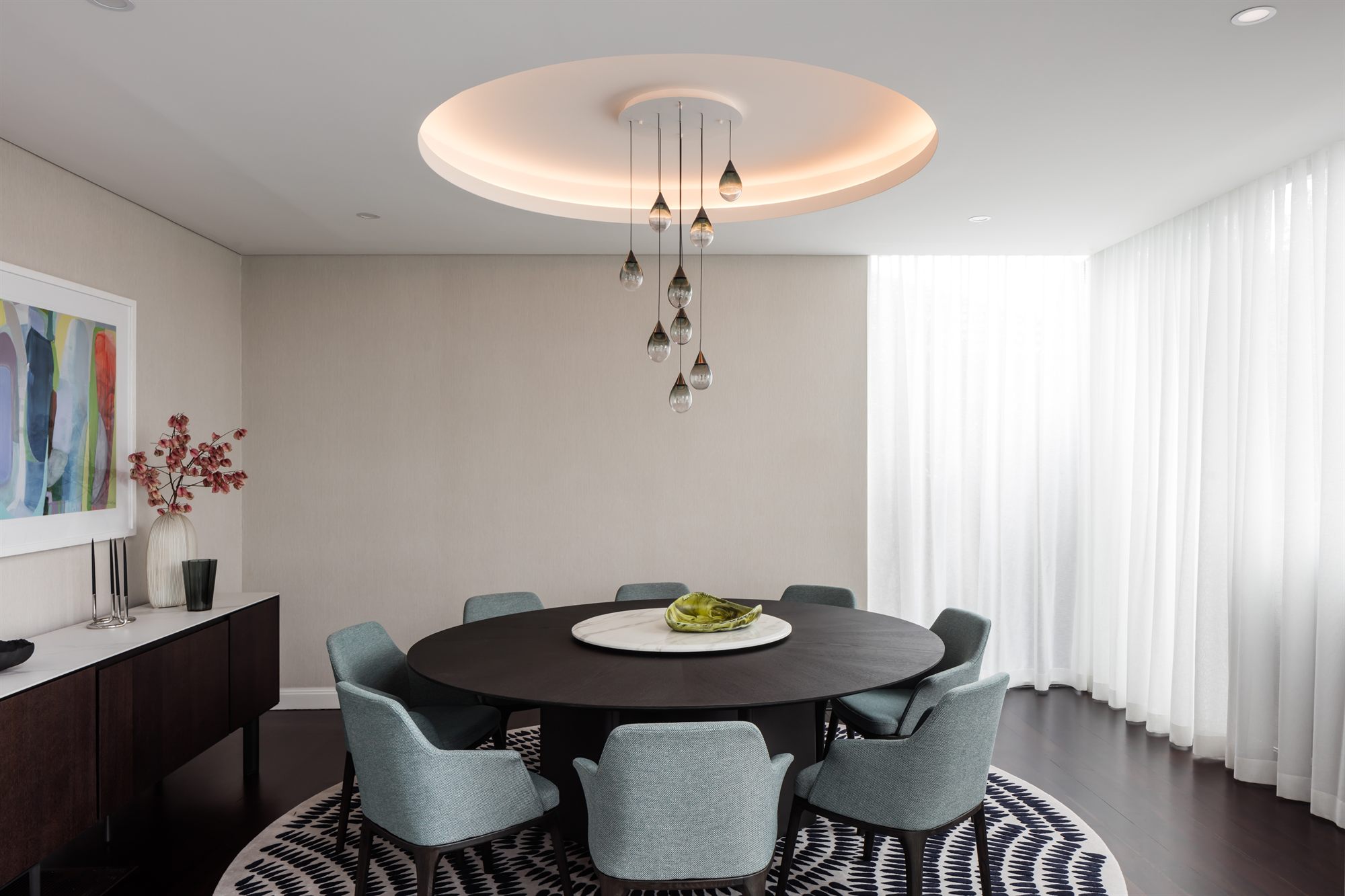
Ask this: what are the stages of your process, and what will I receive at the end of each one?
4. Transparent fees and a defined scope
How a designer charges matters less than how clearly they explain it. Fees in Australia may be fixed for an agreed scope, hourly, a percentage of the project, or a mix, often set out by stage. A good proposal says what’s included, what isn’t, and how changes are handled, so there are no surprises later.
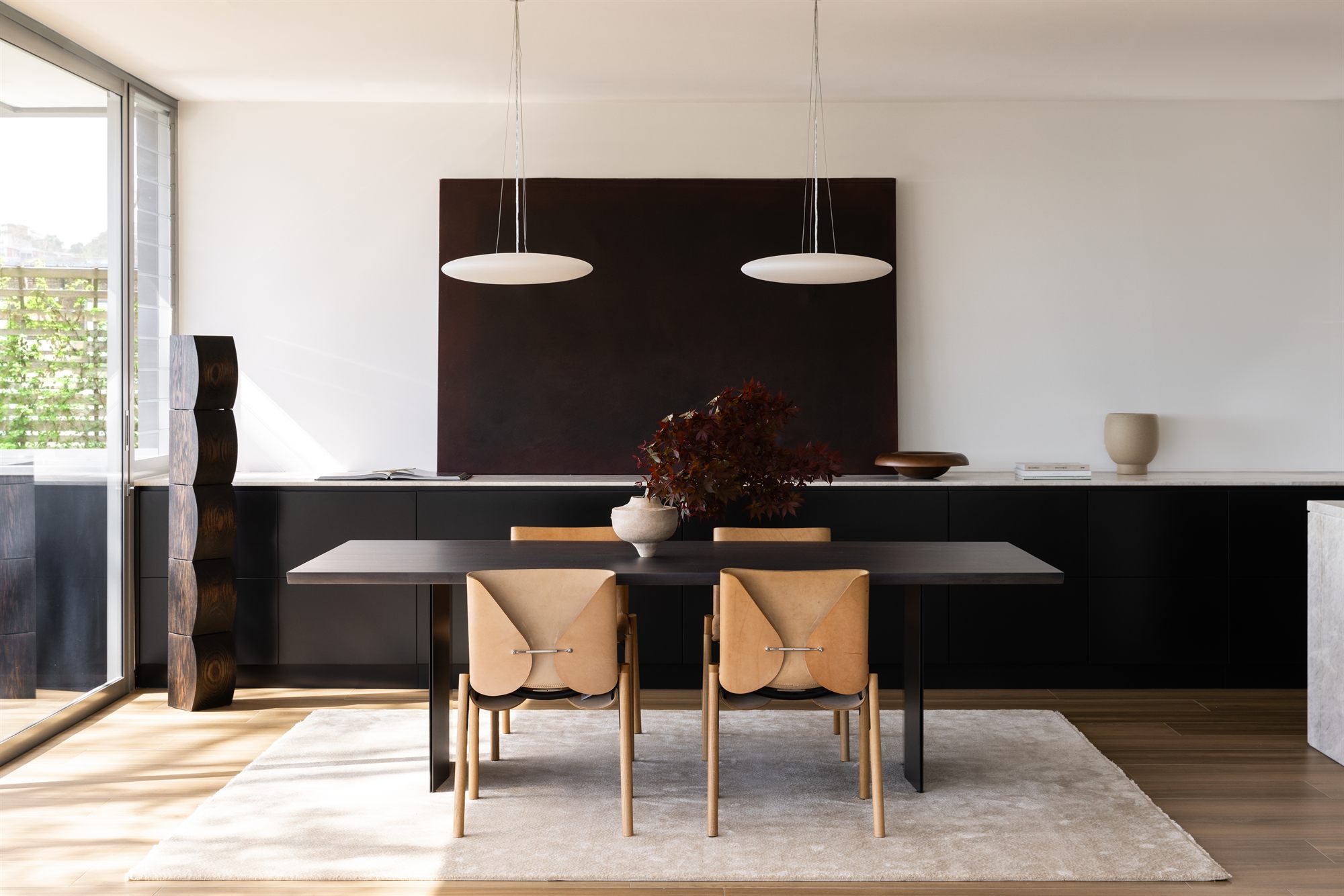
Ask this: what counts as a variation, and how will I know before any extra cost is added?
5. Respect for your investment
A great designer designs to your budget, not around it. They should help you set a realistic budget early, show you where it will add the most value, and keep checking decisions against it as the design develops. Be wary of anyone who avoids the conversation altogether.
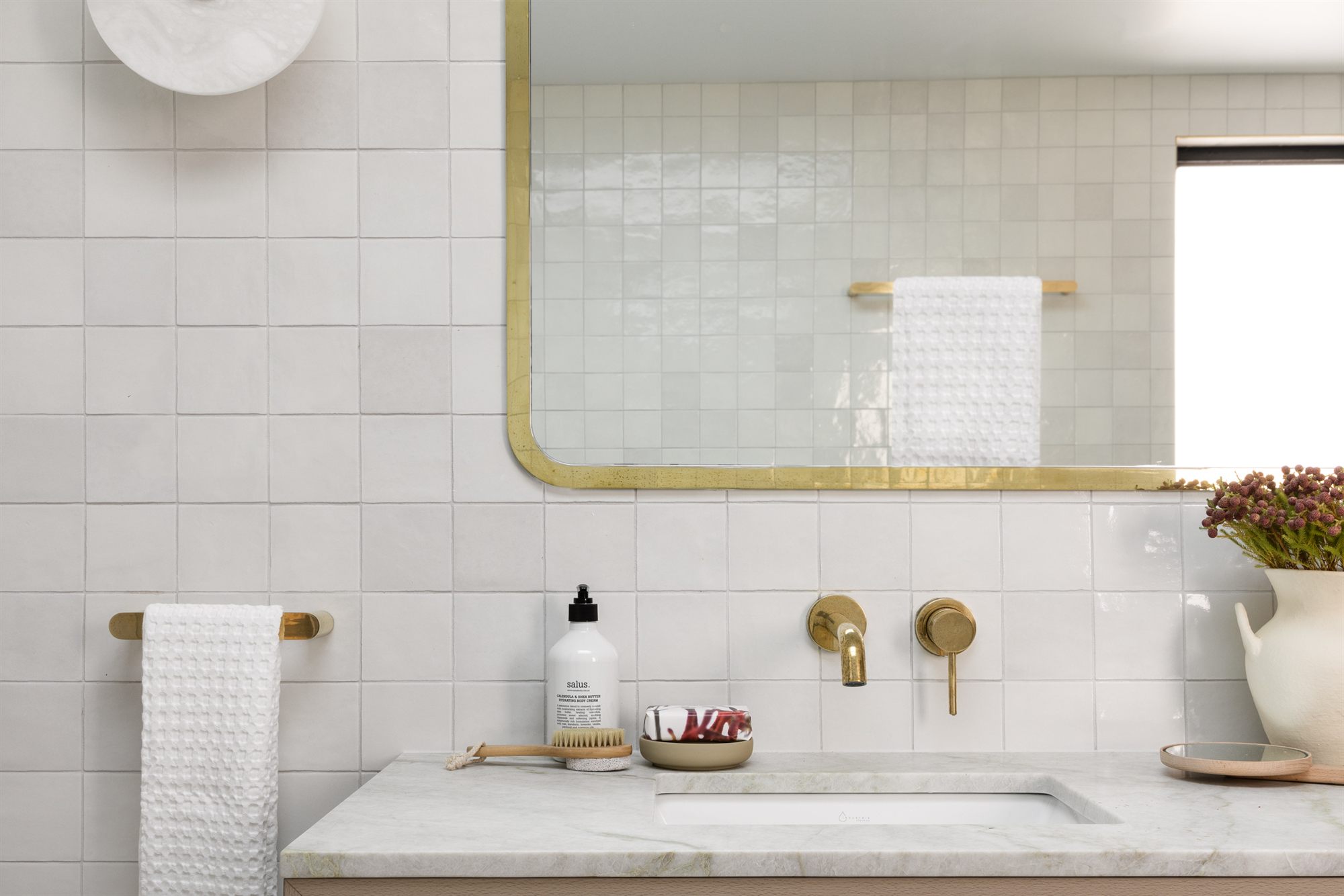
Ask this: how will you help me decide where to invest and where to save?
6. Documentation a builder can quote from
Beautiful concepts only become beautiful homes when every detail is thought through before the build begins. Detailed drawings and schedules of finishes, fixtures and fittings tell a builder exactly what to price and build. That clarity leads to more comparable quotes and fewer decisions made on the run during construction.
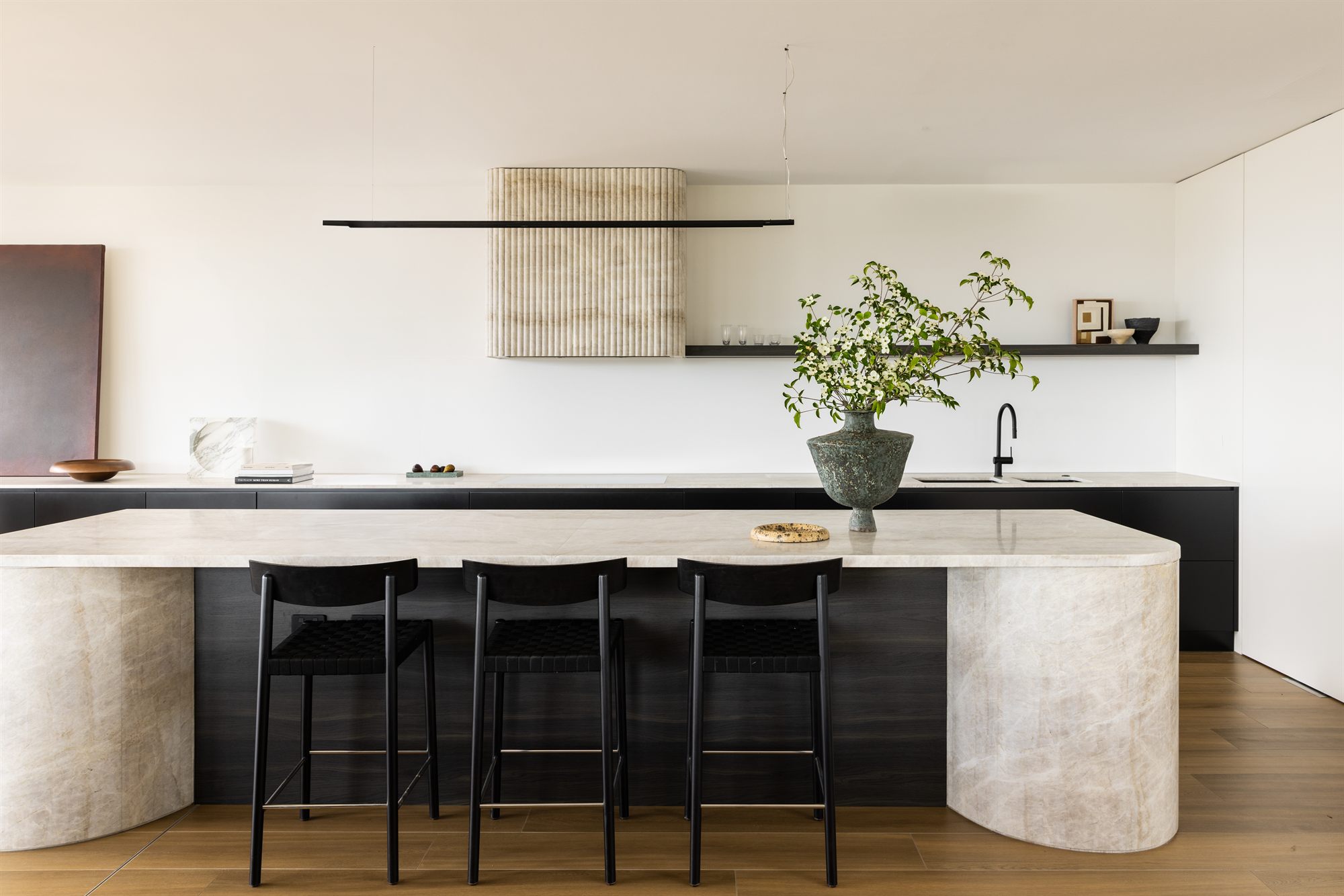
Ask this: can I see an example of your documentation, and could a builder quote from it as it is?
7. Relationships with builders, and support during the build
Most projects meet a surprise or two on site. A designer with established builder and trade relationships can recommend people suited to your project, help review quotes and stay involved during construction, so the design is protected when questions come up.
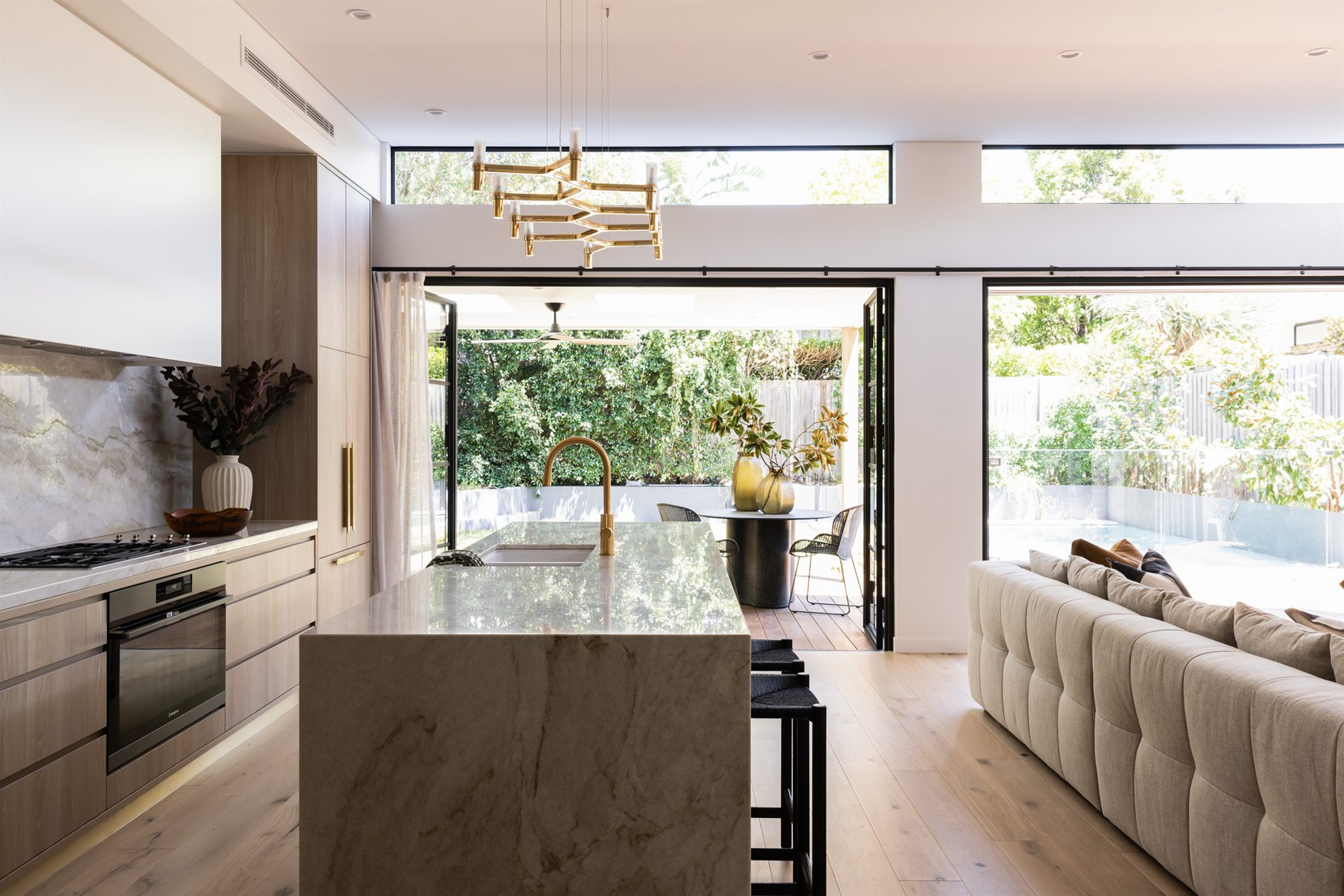
Ask this: how involved will you be once construction starts, and who do I call if something changes on site?
8. Furniture, art and styling under one roof
A home isn’t finished when the builder leaves. Furniture, lighting, rugs, art and styling are what make it feel complete. When the same studio designs the spaces and furnishes them, every piece can be chosen for its exact place, scale and light.
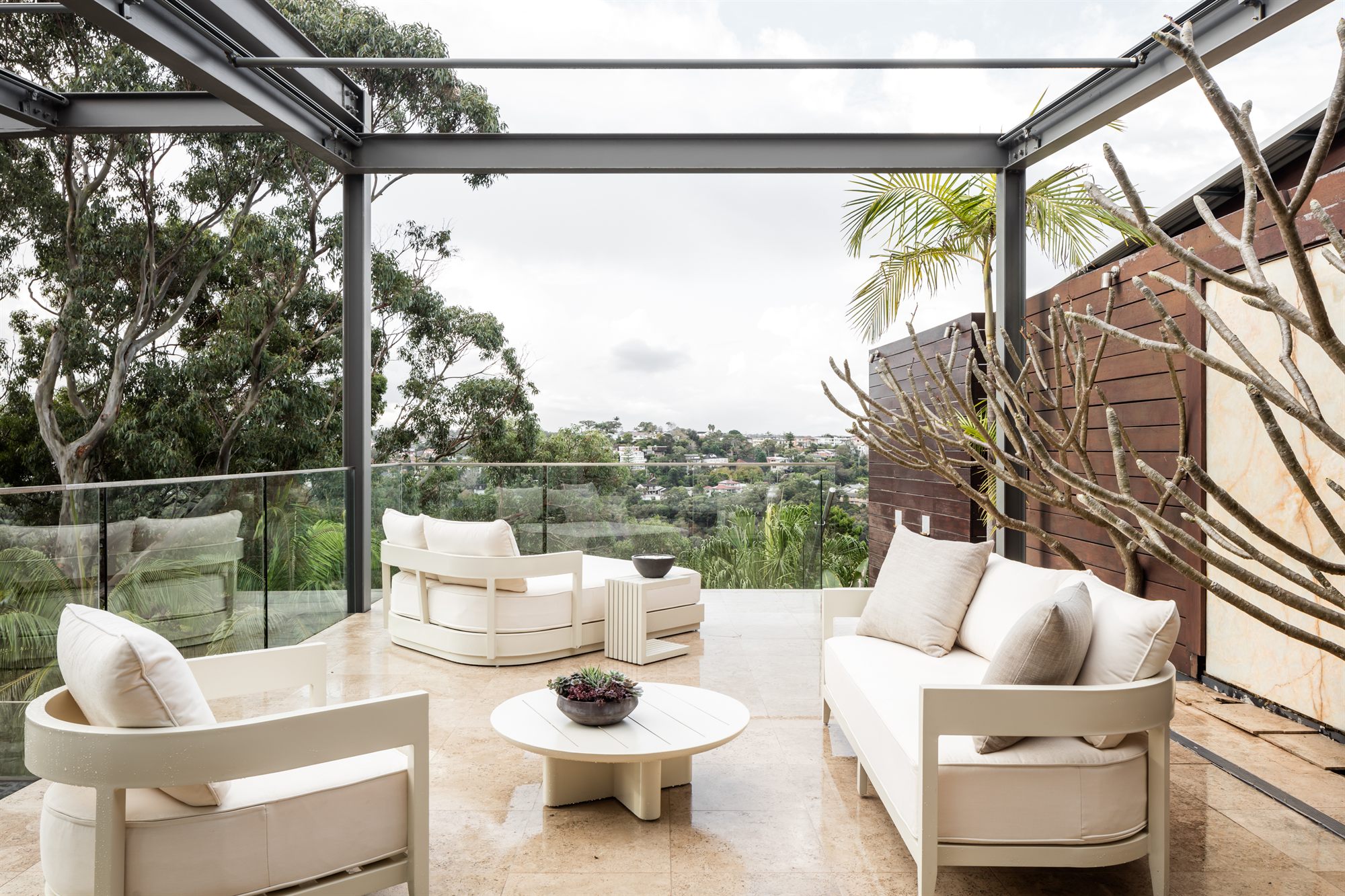
Ask this: do you look after furniture, art and styling, and how are purchasing and delivery handled?
9. Credentials, insurance and references
Interior design generally isn’t a licensed profession in Australia, so look past the title. Ask about the team’s training and experience, whether the studio holds professional insurance, and whether you can speak with past clients. Some designers are also members of industry bodies such as the Design Institute of Australia.
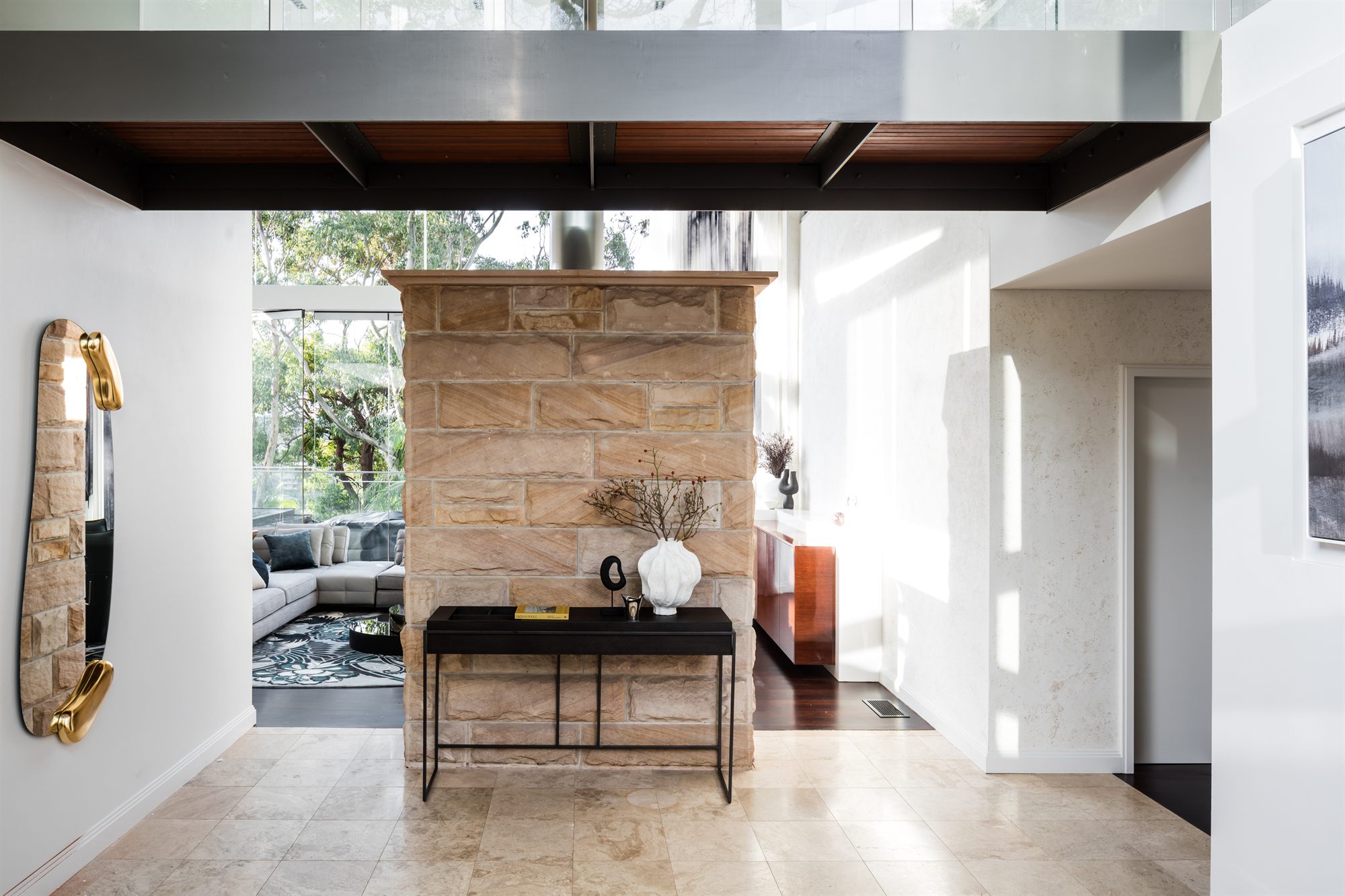
Ask this: could I speak with a past client whose project was similar to mine?
10. A personal fit you can trust
You’ll share a lot with your designer: your plans, your routines, even how you like to wake up. Choose someone who listens more than they talk, explains their thinking clearly, and challenges you kindly when it’s in your interest. Trust your instincts after the first meeting.
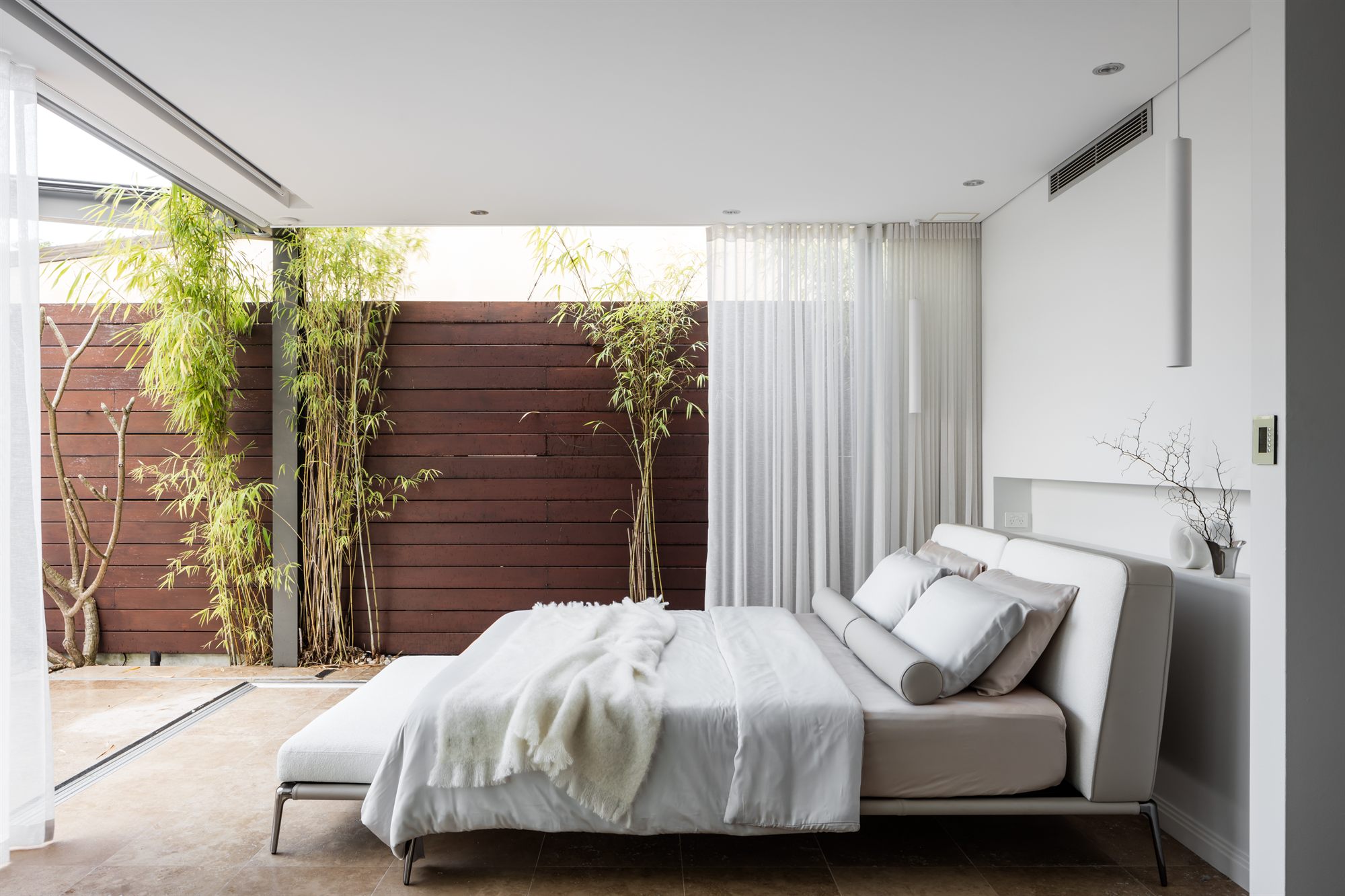
Ask this: who will I be working with day to day, and how often will we be in touch?
Questions to ask in your first conversation
Bring these to your first meeting or call. The answers will tell you a lot, and so will how comfortably they’re given.
- Have you completed projects of a similar type, scale and location?
- What’s included at each stage, and what isn’t?
- How are your fees structured, and how are changes handled?
- How will we set the budget, and how will you keep the design aligned with it?
- What documentation will you provide, and can builders quote from it?
- Can you recommend builders, and will you help review their quotes?
- How involved will you be during construction?
- How do you handle furniture, art and styling?
- What does a realistic timeline look like for a project like mine?
- Who will I be working with, and how will we communicate?
Red flags to watch for
Most designers are passionate about what they do. Still, a few signs suggest a project may not run smoothly:
- A portfolio of renders only, with no completed homes to show.
- Vague answers about fees or what’s included.
- No written proposal or agreement before work begins.
- Reluctance to talk about budget, or a design that ignores it.
- The same look in every project, regardless of the client or the home.
- Little interest in how you live, and a lot of talk about trends.
- No plan for the build, leaving you to manage the gap between design and construction.
How to compare proposals
Once you’ve met two or three studios, lay their proposals side by side. The lowest fee and the best value aren’t always the same thing.
| Compare | What a strong proposal shows |
|---|---|
| Scope | Each stage described, with what’s included and what isn’t |
| Fees | How fees are structured, when they’re payable and how changes are priced |
| Deliverables | The drawings, schedules and selections you’ll receive |
| Budget | How the budget will be set, tracked and protected |
| Construction | Builder introductions, quote reviews and site involvement |
| Furnishing | How furniture, art and styling are selected, purchased and installed |
| Timeline | A realistic programme, with key decision points |
When to bring a designer in
The earlier, the better. Ideally, your designer is involved while your architect, building designer or draftsperson is still drawing the plans, and well before you’ve bought appliances or fittings.
At that stage, layout, joinery, lighting and power can all be resolved together. Changing them later, once walls are framed or orders are placed, is harder and usually more expensive. If you’re already underway, it’s still worth a conversation. There’s often more that can be shaped than you’d expect.
Working with STUDIO BELLE
At STUDIO BELLE, our homes are authored, not decorated. One studio guides every stage, from concept design and detailed documentation to builder selection, support during construction, and furniture installation and styling. Our relationships with Sydney’s finest builders, architects and landscapers help keep design and construction closely connected.
Our founder, Sarah Comerford, comes from a construction management background, and that perspective shapes how we think about buildability and long-term value. We work mainly across Sydney’s North Shore and Eastern Suburbs, from The North Studio in Artarmon and The East Studio in Double Bay.
Explore our work, or tell us about your project. We would love to hear what you have in mind for your home.
Share this article